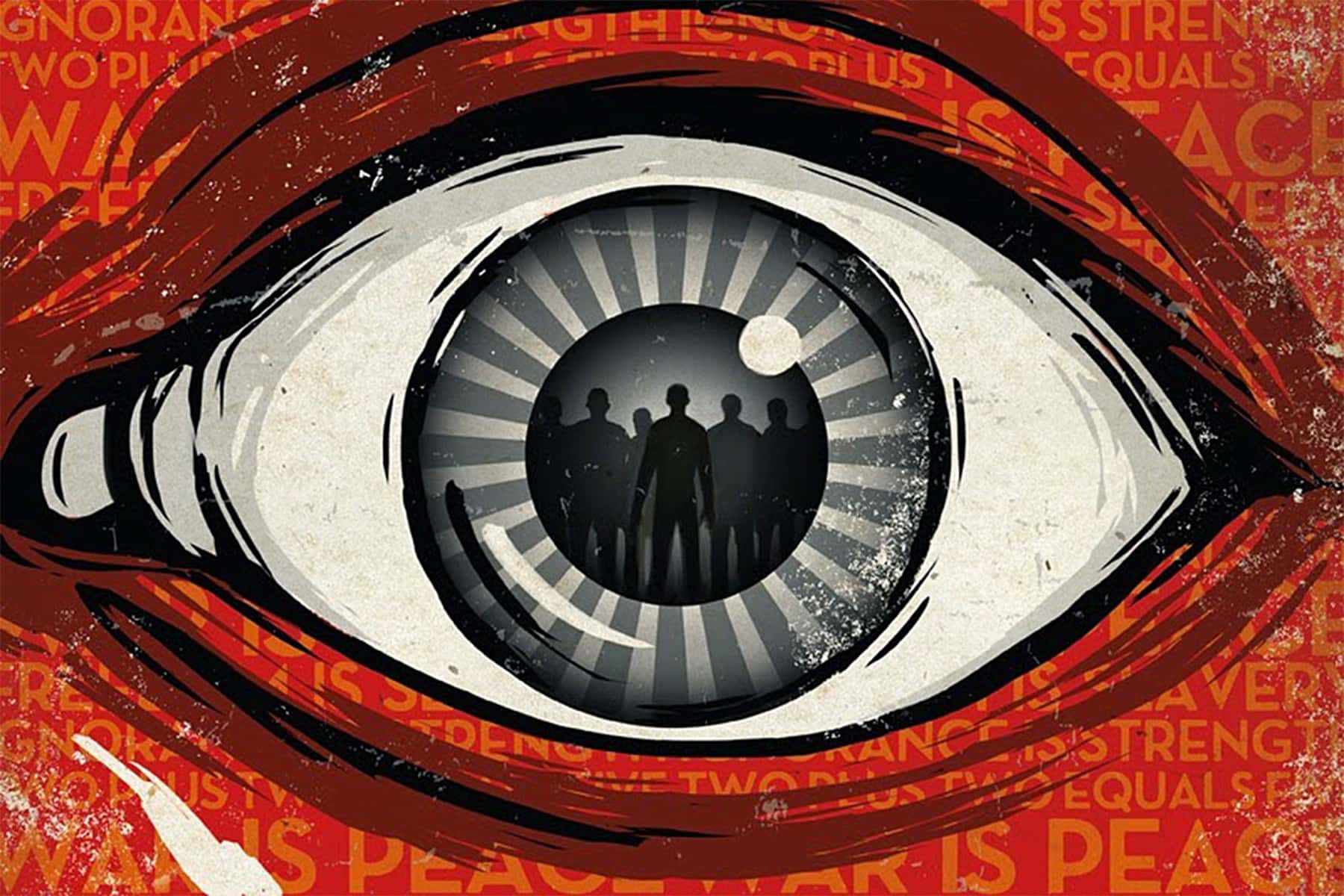
Social media addiction is extremely prevalent in society. It has almost superseded real person to person speech. Mass use of social media is ruining the current generation through artificial human interaction. It makes one wonder if there is a way to mitigate the current cyber epidemic.
In the Social Dilemma, Aza Raskin voices his opinion on society’s dependence on technology and his idea of universal choice: “You can imagine these things are sort of like… they tilt the floor of human behavior. They make some behavior harder and some easier and you’re always free to walk up the hill, but fewer people do and so, at scale, at society’s scale, you really are just tilting the floor and changing what billions of people think and do,”(1:02:40). Aza Raskin’s insight on our current society is thought provoking because it sparks one’s realization we are all given the option to opt out of many wasted hours spent on social media despite a small percentage doing so.
Social media users are manipulated by information according to their interests, compiled by algorithms. Technology companies effortlessly force appealing information into users to slowly build an addiction returning monetary gain. Aza Raskin’s comment on how some behavior is harder and some easier is very relevant. People subconsciously let technology take control of their emotions and thoughts. Though not everyone lets technology occupy their lives and people do try to oppose it, the majority of the users are accepting the negative side effects such as poor mental wellbeing.Their willingness to be sedated by evil corporations is astonishing because it not only tells us about modern society, it also precedes a near future, one similar to that of 1984.
In 1984, the Party’s authority over the populace runs parallel to current technology’s authority over society. The book of Goldstein mentions an apt description of this: “ The masses never revolt of their own accord, and they never revolt merely because they are oppressed. Indeed, so long as they are not permitted to have standards of comparison, they never even become aware that they are oppressed.”(Pg. 216). The Party keeps information about other countries from the public so they think Oceania’s rules are the only existing ones. Similarly in today’s world, people are free to recognize how they are being tricked by algorithms to stay on social media longer. When they are shown a comparison of what it would be like to live without social media, they are immediately reluctant to change because they have become dependent on these applications. If the public of Oceania had the chance to be freed from the Party, many of them would choose not to because they are complacent with the status quo. The same applies to modern day society where practically everybody chooses not to deviate from a technology oriented world. With this in mind, It is frightening to realize we are not far from the reality 1984 presents.
Fewer and fewer people are stepping up to rise against social media addiction. The current generation is trapped in a bubble which is near impossible to escape. Even if we try to abstain from technology, we are vulnerable to relapse since everything around us relies on it. Many factors hold us back from balancing a healthy amount of social media and activities outside of it. There needs to be a line to be drawn to figure it out but it will only come as time progresses.